


[ad_1]
Creator and Web page info
- This web page: https://www.globalissues.org/article/796/east-africa-food-crisis.
- To print all info (e.g. expanded aspect notes, reveals different hyperlinks), use the print model:
On this web page:
Introduction
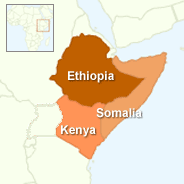 Into mid-2011, the world’s worst meals disaster is being felt in East Africa, in Ethiopia, Somalia and Kenya.
Regardless of successive failed rains, the disaster has been criticized as avoidable and man-made. It’s because the state of affairs had been predicted many months earlier than by a global early warning system. Each the worldwide group and governments within the area have been accused of doing little or no within the lead as much as this disaster. As well as, excessive meals costs have compelled meals out of the attain of many individuals, whereas battle in Somalia has exacerbated the state of affairs.
Because the worldwide group Oxfam describes: 12 million individuals are in dire want of meals, clear water, and fundamental sanitation. Lack of life on an enormous scale is a really actual danger, and the disaster is about to worsen over the approaching months, significantly for pastoralist communities.
Early warning methods had predicted this months earlier
As Inter Press Service (IPS) reported, regardless of the conflicts within the area,
The world had a chance to save lots of hundreds of lives which are being misplaced in components of Somalia because of the famine, if solely the donor group had paid consideration to the early warning methods that predicted it eight months in the past.
…
There was a catastrophic breakdown of the world’s collective duty to behave. 3,500 folks a day are fleeing Somalia and arriving in components of Ethiopia and Kenya which are struggling one of many driest years in six many years. Meals, water and emergency help are desperately wanted. By the point the U.N. calls it a famine it’s already a sign of huge scale lack of life,Oxfam mentioned.
Understanding about this stuff upfront is critical when it comes to lives, prices and preparedness. The US authorities company USAID’s Famine Early Warning System Community had predicted the disaster in November 2010, noting that
meals safety outcomes are more likely to worsen, significantly among the many poorest households whose coping capability is essentially the most restricted.
In areas at‐danger of worsening meals safety, households could require livelihood help to stop asset loss, family meals deficits, and destructive coping. Potential interventions in pastoral areas embody rehabilitation of water factors (boreholes), elevated veterinary providers focusing on the dry season grazing areas, industrial off‐take applications, and diet help applications focusing on poorer households. Within the cropping southwest marginal areas of Kenya, and in Rwanda and Burundi, the size‐up of useful resource switch applications could also be required to attenuate the meals safety impacts of the La Niña occasion [that was observed at the end of 2010].
Large funding shortfall — assuming anybody cares
As worldwide humanitarian and improvement group Oxfam defined, many (typically easy) preventative actions may have been taken, assuming funds had been obtainable earlier:
Each time there’s an indicator of such a catastrophe, we should not solely sit and look ahead to the emergency response. We will conveniently make investments the funds by placing irrigation methods in place, vaccinating folks, particularly youngsters, towards anticipated illnesses, and creating correct infrastructure for use in case there’s want for meals provide,mentioned [Anna Ridout, Oxfam’s spokesperson]
However, as Oxfam notes in one other article, donors and governments fail to ship on East Africa help effort:
The general humanitarian necessities for the area this yr, in keeping with the UN appeals, are $1.87 billion. These are up to now 45 % funded, leaving a niche of over $1 billion nonetheless remaining: gaps of $332m and $296m for the Kenya and Somalia UN appeals respectively, and $398m for the government-run attraction in Ethiopia
Within the final two weeks there have been new pledges of $205m, leaving a niche of $800m nonetheless remaining.
The UK has pledged an estimated $145m prior to now two weeks – virtually 15 % of what’s wanted. The EU has pledged round $8m up to now, with extra anticipated within the coming days. Spain has pledged almost $10m, Germany round $8.5m. France has up to now not pledged any new cash, and Denmark and Italy have mentioned no vital new sums can be found.
However it’s not simply the worldwide group. Numerous actors within the area additionally face criticism and query. For instance, because the above IPS article had additionally famous, the consequences of the drought had been made worse by the Al Shabaab militia group in Somalia, which had blocked donor businesses from working inside its territories in 2009 — now the famine zones. Admittedly, the extremist group just lately lifted its ban, as IPS additionally famous.
One other instance is the governments of the affected nations in addition to the African Union. Ugandan journalist, Rosebell Kagumire, writing for Oxfam, famous that the African Union had complained about lack of funds as a result of governments haven’t put sufficient cash in. Though Kenya opened its borders for an inflow of Somalian refugees, Kagumire criticized the response as missing urgency and never being efficient.
One of many worst crises in current historical past
The disaster is likely one of the worst in current historical past:
In comparison with earlier famines, the present state of affairs in Somalia compares or exceeds these reported throughout current years in Niger (2005), Ethiopia (2001), Sudan (1998) and Somalia (1992). Nonetheless, that is essentially the most extreme meals safety disaster in Africa because the 1991/92 Somalia famine, in keeping with the U.N. Between January and June this yr, 300,000 folks in Mogadishu got meals help by humanitarian businesses on a month-to-month foundation. Roughly 100,000 malnourished youngsters had been handled by means of some 418 diet centres in south Somalia from January to Could 2011.
…
The present disaster in Somalia is anticipated to have an more and more devastating impact on different nations within the area. Nonetheless, usually, the Horn of Africa has 11.5 million folks in disaster, together with the three.7 million in Somalia.
Considerably predictably, media protection appears spotty. At instances there are detailed experiences, typically responding to authorities and different giant worldwide company pushes to deal with the crises. Different instances, the protection vanishes from mainstream headlines and prime time viewing virtually as quickly as reporting has began.
On the morning of Sunday, July 31, throughout a overview of British Sunday newspapers by the BBC, commentators famous how just one paper had a entrance web page story about this disaster whereas virtually all of them had one thing a few second Royal wedding ceremony. (It wasn’t essentially ignoring Africa, both, because the additionally essential story in regards to the US debt disaster additionally barely featured on any papers headlines!)
And naturally, a lot of the reporting has adopted after the disaster has occurred.
It’s also fascinating to notice how rapidly the worldwide group
mobilized towards Libya with navy and different actions, when far much less folks (in quantity) had been affected.
Extra info
For extra in regards to the points from different organizations, listed below are some beginning factors:
Information tales from IPS
Under is a listing of tales from Inter Press Service as they cowl this occasion. Revisit this web page incessantly to see newer tales because the disaster unfolds:
-
In drought-stricken Cabo Verde, UN chief finds hope for creating sustainable oasis
– UN Information

The Secretary-Normal spent Sunday travelling by means of the various and assorted landscapes of Santo Antão, the place, after 5 years of intense drought, a number of improvement tasks supported by the United Nations are serving to to remodel the agricultural sector of this westernmost island of Cabo Verde.
-
Kenya: Extreme drought fuels malnutrition, reduces hospital-delivery births in Turkana County
– UN Information
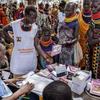
Following 4 successive failed wet seasons, Kenya is amid the worst drought in 40 years, the UN’s ladies’s well being company, UNFPA, mentioned on Tuesday, shining a light-weight on 134,000 pregnant or breastfeeding ladies who’re reported to be acutely malnourished and in want of therapy.
-
Battle, Famine, Illness, Disasters – 2022 – a Yr Watching Apocalypse
– Inter Press Service

TORONTO, Canada, Dec 23 (IPS) – A yr that began with Russia’s invasion of Ukraine and is ending with famine in Africa, whereas nonetheless spreading demise and distress by means of an everlasting pandemic and a deteriorating local weather disaster — 2022 has been an apocalyptic warning of the frailty of our planet and the woeful shortcomings of humankind.
-
Horn of Africa faces most extreme drought in additional than two generations – UNICEF
– UN Information
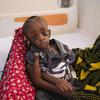
The variety of youngsters affected by dire drought circumstances throughout Ethiopia, Kenya and Somalia has greater than doubled in 5 months, the UN Kids’s Fund (UNICEF) mentioned on Thursday.
-
Somalia: Pressing help wanted for rural communities going through famine
– UN Information
Famine is quick approaching in Somalia and greater than 700,000 folks may face hunger subsequent yr, the Meals and Agriculture Group (FAO) warned on Tuesday, citing the newest Built-in Meals Safety Section (IPC) evaluation.
-
Somalia: Famine narrowly averted – up to now, warn UN humanitarians
– UN Information
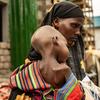
In Somalia, a full-blown famine has been narrowly averted for now, however the starvation emergency has not gone away, UN humanitarians mentioned on Tuesday.
-
No time to waste, as Haiti famine danger rises, warns UN emergency meals help company
– UN Information
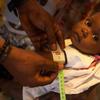
With armed gangs in control of key transport routes in Haiti, the nation may see famine circumstances, except a sturdy humanitarian help plan is put in place, the pinnacle of the World Meals Programme (WFP) in Haiti, Jean-Martin Bauer, has warned.
-
Drought, battle power 80,000 Somalis to shelter in Kenya’s Dadaab refugee camps
– UN Information
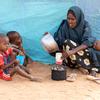
Tens of hundreds of individuals have sought shelter in current weeks at Kenya’s Dadaab camps, compelled from their properties by extremist violence in neighbouring Somalia and an “unrelenting” drought, the UN refugee company, UNHCR, mentioned on Tuesday.
-
‘We can not hand over’ on the thousands and thousands struggling in drought-stricken Horn of Africa, urges WFP official
– UN Information
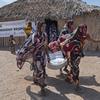
Thousands and thousands of individuals within the Horn of Africa – a area on the intersection of among the worst impacts of local weather change, recurring humanitarian crises and insecurity – are going through the driest circumstances in 4 many years together with excessive meals shortages. The highest UN World Meals Programme (WFP) official within the area, Michael Dunford, is warning that the state of affairs there’s more likely to worsen earlier than it improves.
-
Pan-African Method to Sort out Meals Insecurity Arising from Battle and Local weather Shocks
– Inter Press Service

Nairobi, Nov 22 (IPS) – Upheaval on the worldwide stage, the battle in Ukraine, battle within the Horn of Africa, extreme climatic shocks, excessive worldwide inflation, growing international commodity costs, excessive costs of agricultural inputs and low intra-continental commerce are fuelling meals insecurity throughout Africa.
-
Horn of Africa: UNFPA launches $113 million attraction for drought-impacted ladies and women
– UN Information
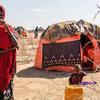
The unprecedented drought within the Horn of Africa is affecting entire communities, however it’s ladies and women who’re paying “an unacceptably excessive value”, the UN Inhabitants Fund (UNFPA) mentioned on Wednesday, launching a $113.7 million attraction to fulfill their wants.
-
Humanitarians name for better help to stop famine in Horn of Africa
– UN Information
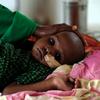
Higher international solidarity is required to deal with the quickly unfolding humanitarian disaster within the Horn of Africa, the place thousands and thousands are going hungry because of two years of unprecedented drought, UN businesses and companions mentioned in a press release on Monday.
-
Tackling Recurring Starvation Crises on the Horn of Africa – Starting with Somalia
– Inter Press Service

URBANA, Illinois, USA, Nov 02 (IPS) – The statistics are stark. The disaster is unprecedented. But once more, in accordance to the United Nations, famine looms in Somalia, with a whole lot of hundreds already going through hunger. As well as, droughts, and catastrophic starvation ranges have left over 500,000 youngsters malnourished and prone to dying. That is already almost 200,000 greater than the 2011 famine. Pressing rapid actions have to be taken now, each to deal with the disaster within the short-term and long-term.
-
Droughts Dont Want To Lead to Famine: Ethiopia and Somalia Present What Makes theDifference
– Inter Press Service

Oct 28 (IPS) – The Horn of Africa is going through its worst drought in 40 years. Scientists suspect {that a} multi-year La Niña cycle has been amplified by local weather change to extend dry and sizzling circumstances.
-
Kenya: UN steps up safety for drought-hit ladies and women
– UN Information
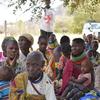
Girls and women are bearing the brunt of the worst drought skilled in Kenya for 40 years, which is exacerbating the chance of sexual exploitation, violence, and abuse.
-
Power Transition: Is it Time for Africa to Discuss Powerful?
– Inter Press Service

Kampala, Oct 05 (IPS) – Thirty-year-old Difasi Amooti Kisembo is likely one of the demonstrators close to the EU delegation places of work in Kampala. He and a handful of others have traveled from Uganda’s oil and gas-rich Albertine area’s district to Uganda’s capital Kampala to precise their displeasure with an EU Parliament’s decision towards the deliberate building of the East African Crude Oil Pipeline.
-
Lives Hold within the Steadiness as Kenyas ASAL Area Ravaged by Extreme Extended Drought
– Inter Press Service

Nairobi, Oct 04 (IPS) – The sight of kids begging for water from motorists alongside the Garissa freeway within the northeastern a part of Kenya alerts that each one isn’t nicely. Unable to go to high school on an empty abdomen, drought-affected youngsters look ahead to good Samaritans alongside the street, begging for water and meals.
-
Somalia dedicated to tackling twin threats of looming famine and terrorism, President tells UN Meeting
– UN Information
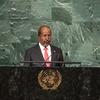
Regardless of efforts to maneuver previous many years of drought and battle, Somalia is going through among the most advanced crises on this planet, its President mentioned in the present day on the UN Normal Meeting, urging worldwide companions to assist the nation avert a looming famine and defeat the scourge of terrorism.
-
Famine looms in Somalia, however many ‘starvation hotspots’ are in serious trouble
– UN Information
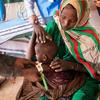
The variety of folks going through life-threatening ranges of starvation worldwide with out rapid humanitarian help, is anticipated to rise steeply in coming weeks, the UN mentioned on Wednesday, in a brand new alert about looming famine within the Horn of Africa and past.
-
‘Tsunami of starvation’ may set off a number of famines, Safety Council warned
– UN Information
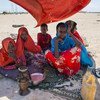
As dangers of conflict-induced famine and widespread meals insecurity proceed to rise, the UN Emergency Aid Coordinator urged the Safety Council on Thursday to deal with the interlinked crises, and work in the direction of establishing lasting peace in affected areas.
-
WMO: Local weather change in Africa can destabilize ‘nations and full areas’
– UN Information
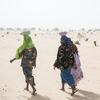
Water stress and hazards like withering droughts and devastating floods are hitting African communities, economies and ecosystems onerous, in keeping with a brand new report launched on Thursday by the World Meteorological Group (WMO).
-
Somalia: UN’s prime humanitarian discussion board warns of ‘tipping level’ as famine danger rises
– UN Information
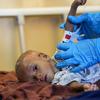
Somalia is at a “tipping level”, with a whole lot of hundreds of individuals at rapid danger of famine, the heads of the UN’s highest-level humanitarian coordination discussion board have warned.
-
WMO: Higher Horn of Africa drought forecast to proceed for fifth yr
– UN Information
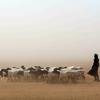
As thousands and thousands of individuals within the Higher Horn of Africa have already “suffered the longest drought in 40 years,” components of the area are bracing for a fifth consecutive failed wet season, the World Meteorological Group (WMO) has reported.
-
Drought, starvation and combating depart Ethiopia in ‘very tough humanitarian state of affairs’
– UN Information
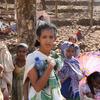
Amidst deteriorating ranges of malnutrition and Ethiopia’s worst drought in 40 years, 17 million individuals are being focused for humanitarian help, the UN spokesperson mentioned on Wednesday.
-
Africa drought: Some youngsters simply ‘one illness away from disaster’ UNICEF warns
– UN Information
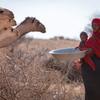
On Tuesday, UN Kids’s Fund UNICEF warned that youngsters within the Horn of Africa and the huge Sahel area “may die in devastating numbers” with out pressing intervention and help. Within the final 5 months, the variety of folks in Ethiopia, Kenya and Somalia with out dependable entry to secure water, has risen from 9.5 million to 16.2 million
-
WFP scales up help for thousands and thousands who ‘can not wait’ for meals help amid Horn of Africa drought
– UN Information
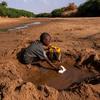
As the specter of famine looms within the Horn of Africa, the World Meals Programme (WFP) introduced on Friday that it’s scaling up operations to help thousands and thousands going hungry who “can not wait” for help.
-
WHO warns of illness menace amid Horn of Africa drought
– UN Information
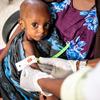
The Director-Normal of the World Well being Group (WHO) on Wednesday highlighted the necessity to help thousands and thousands going through hunger and illness within the Horn of Africa.
-
‘Catastrophic’ drought displaces a million in Somalia, world requested to ‘step up’ help
– UN Information
A devastating drought in Somalia has reached unprecedented ranges, leaving a million folks throughout the nation at the moment registered as displaced, the UN refugee company, UNHCR, mentioned on Thursday.
-
Warmth, drought and wildfires throughout one of many warmest Julys on report– WMO
– UN Information

Amidst excessive warmth, drought and wildfires, many components of the world had simply skilled one among three warmest Julys on report, the UN climate company mentioned on Tuesday.
-
From the Discipline: Outreach throughout the Horn of Africa
– UN Information
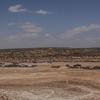
In July, a UN human rights officer launched into an outreach go to to the Horn of Africa’s Sool and Sanaag areas, a seven-day round-trip of greater than 1,600 kilometres by street.
Creator and Web page Data
- Created:
[ad_2]

